Vanessa Salyer
Team Lead / Lead CAD Engineer.
Autologous fat grafting is widely used in reconstructive, cosmetic, and regenerative medicine due to its biocompatibility and regenerative potential from adipose-derived stem cells (ADSCs) and stromal vascular fraction (SVF) populations. However, current fat washing methods are highly manual and operator-dependent, contributing to inconsistent graft retention rates of 20-80% and reported cell viability losses of up to 30-50% during preparation and handling. These inefficiencies can prolong operating room time, increase healthcare costs, and reduce clinical outcomes by compromising adipocyte and stem cell survival. Therefore, there is a clinical need for an automated, scalable, and standardized adipose tissue washing and processing system capable of rapidly preparing large tissue volumes while preserving cellular viability and producing reproducible, high-quality graft material.
The current Sayenza platform can only process approximately 50 mL of adipose tissue per wash cycle, which is sufficient for small procedures and nanofat applications but inadequate for larger reconstructive surgeries or high volume cosmetic procedures.
Our solution is an automated, modular adipose tissue washing system designed to rapidly clean and prepare lipoaspirate while preserving adipocyte and SVF viability. The system is capable of washing 125 mL of adipose tissue in under 15 minutes with less than 10% adipose loss, while reducing manual handling and operator-dependent variability. Its modular setup allows the device to be scaled according to procedural volume and clinical need, enabling greater flexibility across reconstructive and cosmetic applications. By producing clean, high-quality graft material in a reproducible manner, the system has the potential to improve graft retention, decrease operating room time, and enhance regenerative outcomes.
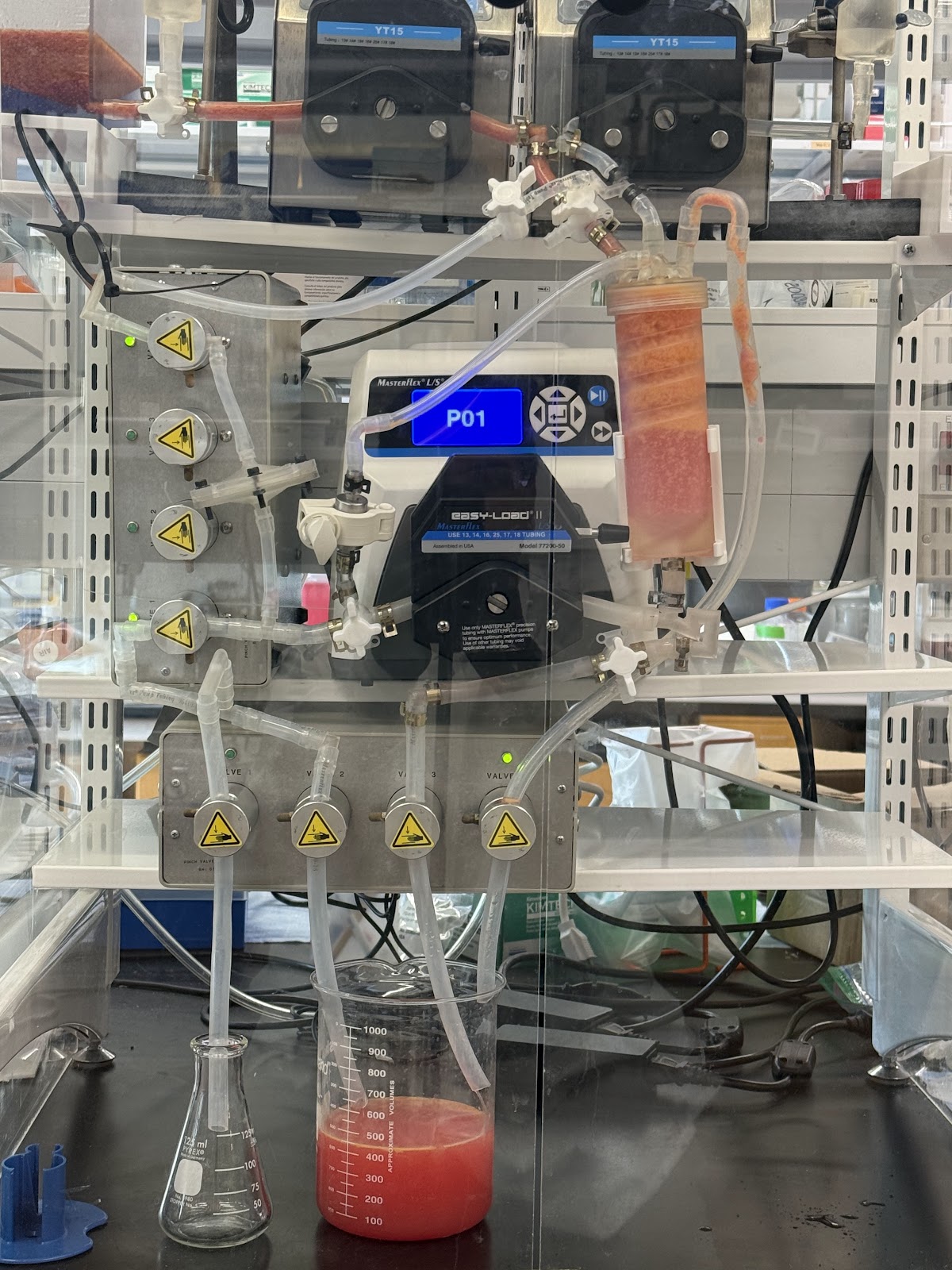
The system operates through a continuous washing process in which pumps circulate saline and adipose tissue through the device to enable controlled, uniform mixing. Internal baffles are incorporated within the chamber geometry to generate localized vortexes that promote equal exposure between the saline and fat, improving contaminant removal while minimizing mechanical damage to the tissue. Following washing, the system utilizes density-based separation through gravity, allowing the less dense adipose tissue to separate naturally from saline, blood, oil, and debris. The denser components are then removed from the system via tubing, while the clean fat is left for processing. This integrated approach enables efficient tissue purification for downstream grafting applications.
Below is a comparison of LipoLink against existing solutions in the lipoaspirate washing space.

The global fat grafting market is growing rapidly, driven by demand in reconstructive surgery, aesthetic procedures, and regenerative medicine. LipoLink targets surgical centers, plastic surgery clinics, and regenerative medicine labs that require large-volume, high-quality lipoaspirate processing.
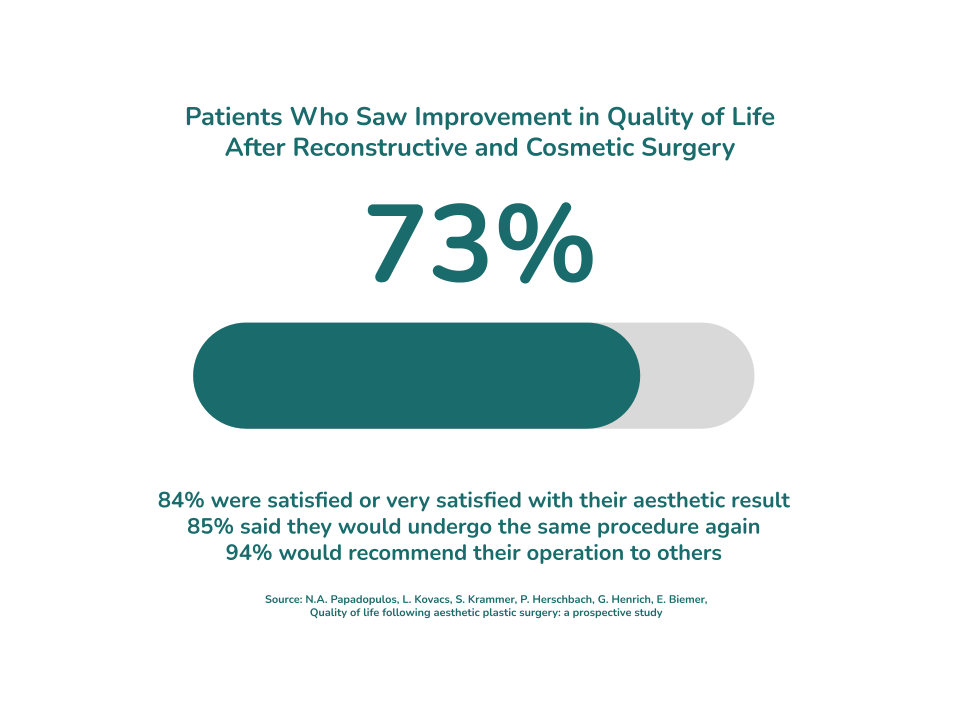
The U.S. performed over 1 million reconstructive procedures in 2024 alone*, including over 361,000 tumor removal procedures, 162,000 breast reconstructions, 54,000 scar revisions, and 24,000 burn care procedures.
Although growth in reconstructive procedure volume is gradual, the trend is still positive. From 2023 to 2024*, breast reconstruction increased by 3%, while scar revision increased by 4%, showing continued demand for reconstructive care.
* According to the 2024 ASPS Procedural Statistics Release
Our device addresses the increasing demand for large scale reconstructive procedures in the United States. We aim to partner with clinics nationwide to expand access to this technology and improve patient outcomes. By preserving fat quality and extending graft longevity, our device empowers patients to achieve lasting results and reclaim their confidence sooner.
| Strengths | Weaknesses |
|---|---|
|
- Processes 150-250 mL per cycle vs. 50 mL current max - Fully automated, single, closed system - Validated with ANSYS simulations and human LA samples - Reusable and cost-effective long-term |
- Still in prototype phase - Ideal number of wash cycles needs to be validated with different samples of human lipoaspirate to eliminate outcome variability - Regulatory approval (FDA Class II) required before commercialization |
| Opportunities | Threats |
|
- Growing demand for reconstructive and cosmetic fat grafting - Nanofat regenerative applications (wound healing, scar revision) - Reduces variability between different surgeons or technicians - Improves workflow efficiency in clinical settings |
- Emergence of alternative regenerative medicine approaches, like synthetic fillers, bioprinting, or stem cell therapies - Dependence on clinician training and proper device setup to maintain consistent outcomes - Cost might limit adoption in smaller clinics or outpatient centers - Established competitors with existing FDA clearance - Market adoption challenges in clinical settings |
We are a group of Engineering students at UC Irvine passionate about solving real-world health challenges through innovative design.
Team Lead / Lead CAD Engineer.
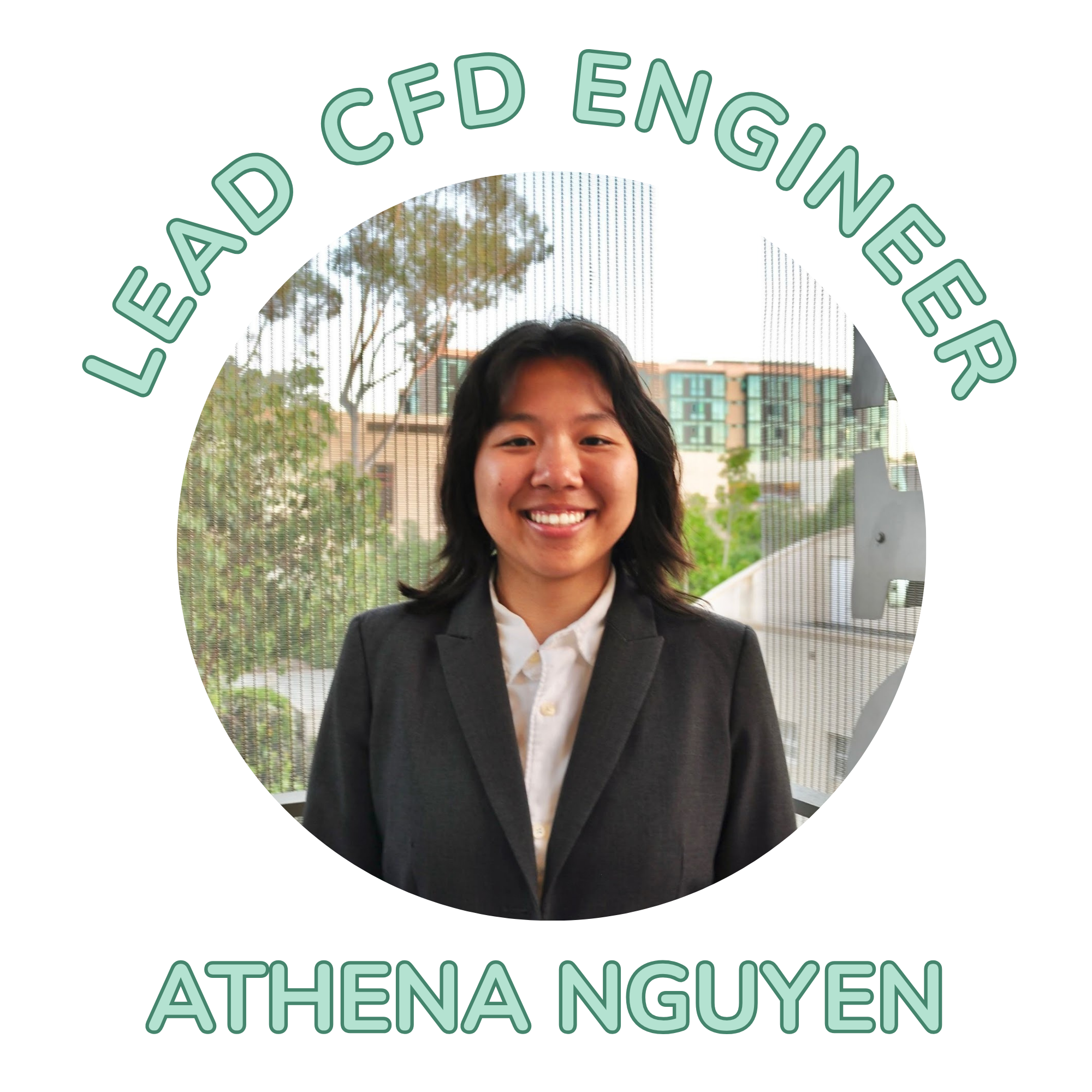
Lead CFD Engineer.

Lead Software Engineer.
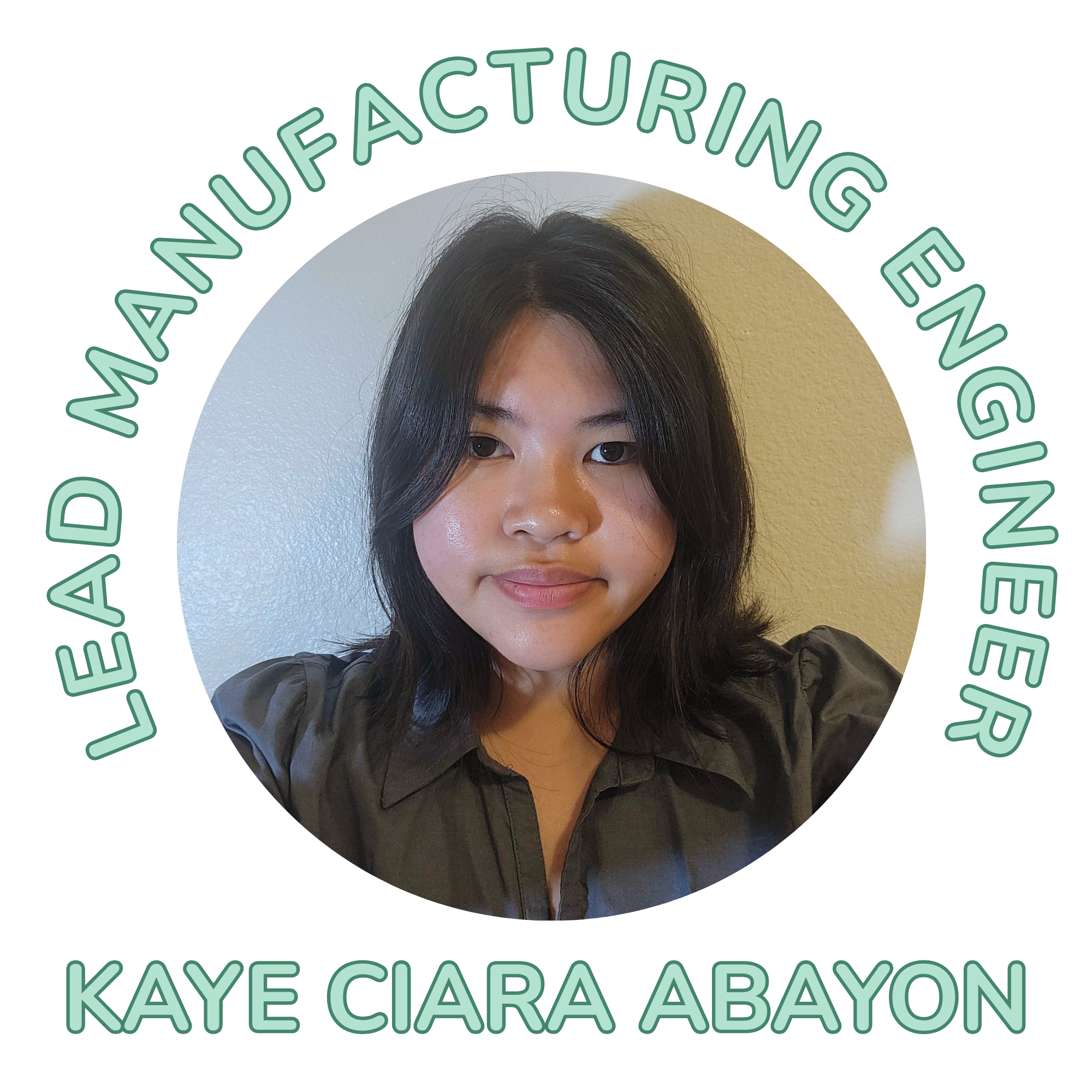
Lead Manufacturing Engineer.

Lab Validation Engineer.
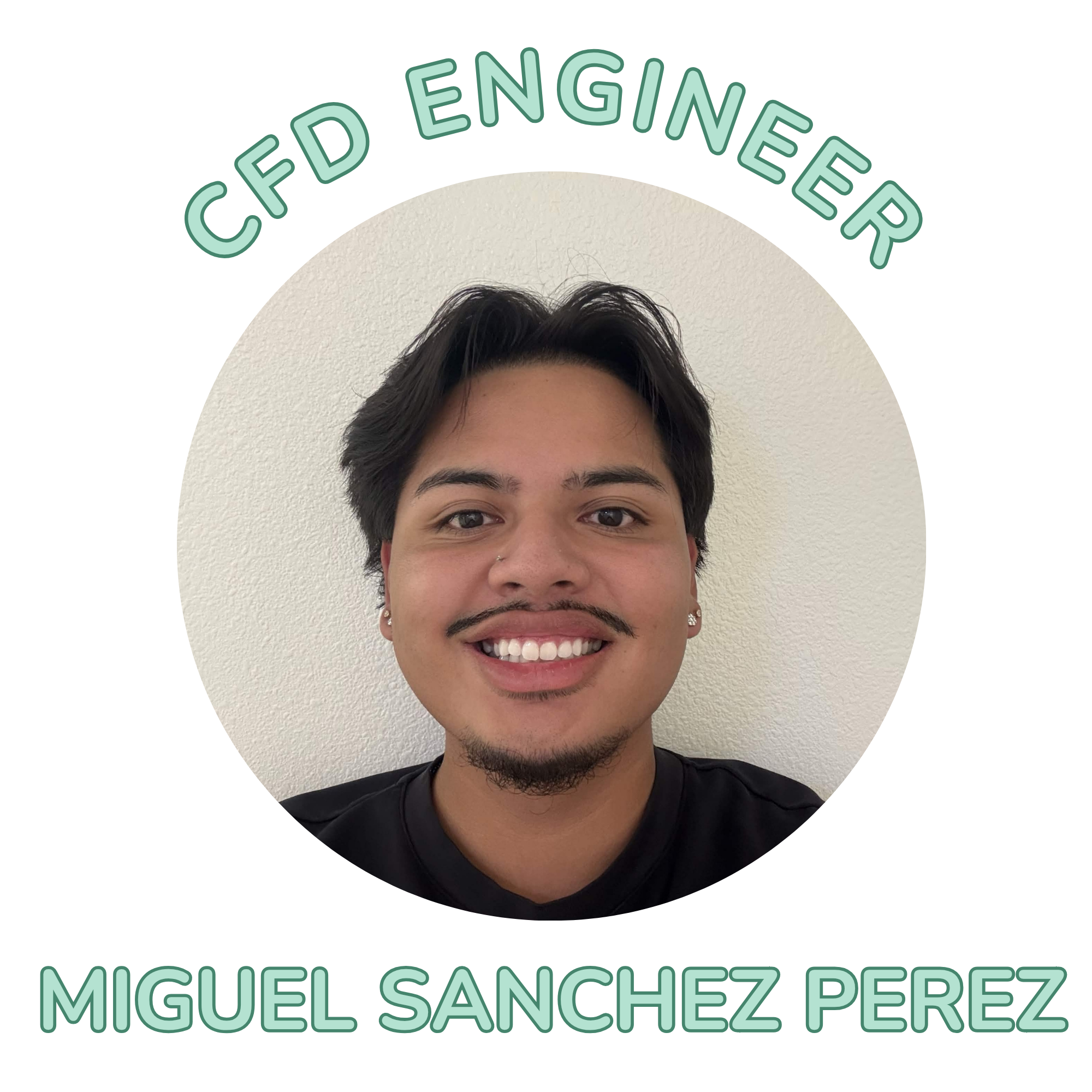
CFD Engineer.
Meet the people who helped make this project possible!
Sayenza CEO.
Sayenza Tissue Engineer.
Allergan Principal Engineer.
Sayenza Co-Founder, Advisor.